
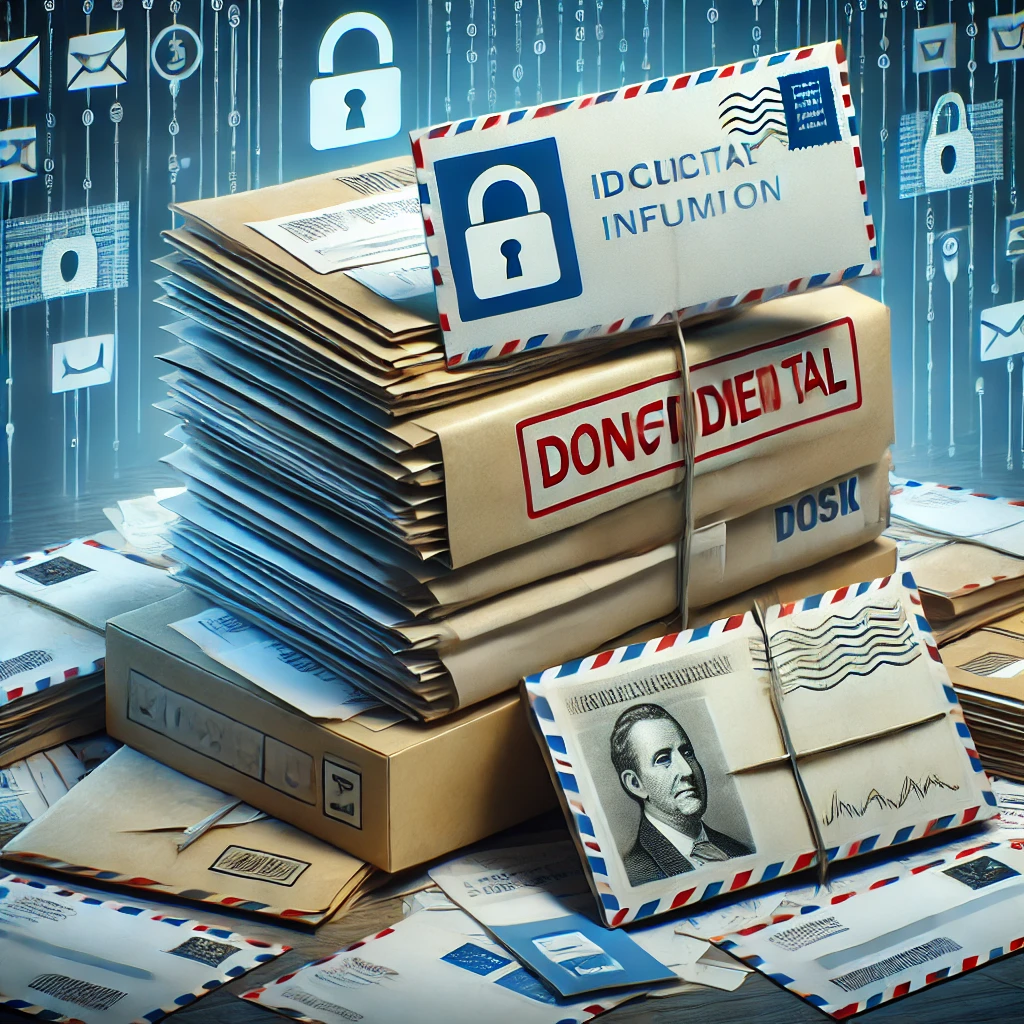
Snail Mail Related Cybercrime
In today’s digital age, most people think of cybercrime is something that can only occur if you are online. However, traditional mail often referred to as ‘snail mail,’ also play a key role in criminal activities that mixes the physical world with the digital world. It is identity theft or a phishing scams, criminals are using various tactics to exploit snail mail for their malicious purposes.
What is Snail Mail and How is it Related to Cybercrime?
Snail mail is a traditional way of mail delivery, which is sent through physical postal services for example letters and parcels. It is called ‘snail mail’ because it is slower than digital communication, like emails and text messages. Although these days digital communication is mostly used mode of communication, yet snail mail cannot be ignored. Particularly parcels, shipments, financial correspondence, and official correspondence still rely on snail mail.
Cybercrime is normally associated with digital platforms, but the reality is that snail mail is often seen being used in conjunction with cybercrimes. Since physical mail is considered to be more authentic communication; therefore, criminals use physical mail to build confidence. They initially gather sensitive information, and gain access personal data, which subsequently is used in online scams and frauds. The use of traditional mail by digital criminals creates new avenue for criminal investigators. This way cyber criminals exploit innocent victims using techniques that many people may not anticipate. Cybercriminals may use snail mail as a tool for identity theft, phishing and their other cybercriminal activities.
Identity Theft through Snail Mail
One of the most common forms of cybercrimes executed through snail mail is identity theft. Criminals often steal personal information from physical mail, for example bank statements, credit card bills, and medical bills. These documents contain sensitive data that cybercriminals use to commit online fraud. Using this sensitive information they can open accounts in the victim’s name and use these accounts for their further malicious activities. Many victims of identity theft often don’t even understand that their information was compromised through snail mail. Criminals may find this data from trash or some sophisticated criminals can also intercept mail before it reaches the intended recipient.
Phishing Scams Using Snail Mail
Phishing scams cannot only be carried out through Email inboxes. Cybercriminals can also send fake letters that appear to be from legitimate institutions, like banks or government agencies. The idea behind this technique is to trick recipients so that the recipient can reveal his personal information. These letters may require recipients to ‘verify’ their account details, update passwords, or confirm CNIC/Social Security numbers. Often, these letters are designed using official logos, official type language and even warnings as if they that is official correspondence and to pressurize individuals to respond. Recipient often unknowingly provide their data, which ends up into the hands of cybercriminals.
Mail Interception for Cybercriminal Activities
Criminals can intercept physical mail that contains passwords, social security numbers, or credit card statements and use that data to carry out cybercrimes. Criminals particularly target such physical mails which contain instructions regarding steps of accessing online accounts. The information provided in these types of physical mails can subsequently be exploited in a cyber attacks. Cybercriminals use this type of stolen information to access digital accounts and use this information in online banking fraud, data breach incidents, or the creation of fake online profiles for further online scam activities.
Fake Check Scams
Fake checks are another form of cybercrimes related to snail mail. Cybercriminals send counterfeit checks through the physical mail and anticipate that victims will deposit them into their bank accounts. Once victims deposit these checks to their accounts, they appear to be legitimate checks. But when they are posted to the banking system they eventually bounce. Meanwhile, the victim might have already sent goods or money to the scammer. These fake check scams are often detected in large online fraud schemes. This type of cybercrime is most commonly seen where the scammer exploits both traditional and digital communication methods to deceive their target.
Fake Website Fraud
This is a type of crime that takes place when criminals use physical mail to deceive victims to purchase fake or nonexistent products. Most of the times, the criminals set up fake websites or catalogs of the products. They then lure in victims to place orders by offering irresistible deals. Once the victim makes the payment, the product either never arrives, or it is a low quality counterfeit item. This scam often targets victims to enter their credit card details online. This makes it a hybrid model of both snail mail and digital fraud.
Social Engineering via Physical Mail
Social engineering means manipulation of people into revealing their confidential information. Snail mail can be used as a tool for this revelation of information. Criminals use physical mail to build trust with their targets. They pose themselves as a trusted authorities or organizations. Then they gain access to their sensitive data which they use in subsequent online scams and identity theft.
How to Protect Yourself from Snail Mail-Related Cybercrime?
Although it seems difficult to avoid snail mail related cybercrime, yet there are several ways to protect yourself, which I will discuss below:
1. Shred Your Mail –
You should never dispose off your physical mails to the trash without proper shredding. Therefore, I will advice you to always shred your documents that contain sensitive information before discarding them.
2. Monitor Your Mail –
All the authentic online services give you an alert and notification of all the activities which are being carried out in your account. Therefore, be vigilant about any suspicious or unexpected mail and report and any unusual activity to your online bank accounts. In case of any such activity you should immediately report it to your local law enforcement authorities.
3. Use a Locked Mailbox –
As I have discussed above that criminals may sniff into your trashes and your mailboxes. Therefore, you should always prefer to use a locked mailbox so that your mailbox is prevented from any type of theft.
4. Alert Your Bank –
Cybercriminals may use fake and falsely drafted letter posted to your mailbox or your address. Therefore if you receive any suspicious letter that is claiming to be from your bank or any other Government institution, you should immediately contact them directly to verify its authenticity, before responding the directions given in that letter.
5. Educate Yourself –
Last but not the least relief of this issue is that you must educate yourself and keep yourself updated about the latest techniques being used by cybercriminals. That is why I always recommend and suggest being aware of common phishing tactics that may also involve snail mail and cybercrime at the same time.
Conclusion
To conclude the topic I would say that cybercrime is not confined to the digital world only. Snail mail plays has also a significant role in many fraudulent schemes in the recent past. Therefore, by understanding how traditional mail is used to execute cybercrime is also important for you to understand. By taking the guidelines mentioned above, you can take steps to protect yourself from being a potential victim. Hence you must always remain cautious of any unexpected communications that ask for personal information. You should also remember that being proactive is the best defense while compared to becoming a victim of snail mail related cybercrimes.


Absolute new idea